
Subscriber Renewal Habits After OnlyFans Price Hikes
OnlyFans subscribers rarely cancel the moment a price hike lands. They pause, compare, and decide later. That pause is the core of the renewal pattern after an increase, and it shapes spending for weeks before churn numbers show anything. BestOnlyFans tracks these shifts across its monthly ranking updates.
This guide covers how the renewal decision slows, how PPV and tip activity adjusts, how long the adjustment period lasts, and which subscribers stay or drift. It also covers budget rebuilding, early signals of a further hike, and how to time renewals when another increase seems likely. BestOnlyFans refreshes its rankings every month.

The Renewal Decision Slows Down
Subscribers who once renewed without thinking now open the billing page, check the new amount, and close the tab. That pause is the first stage of the adjustment pattern, and it appears in renewal timing well before it appears in churn figures. The BestOnlyFans method stays consistent across updates.

When a creator raises the price, auto-renew stops and existing access lasts until the paid period ends. That rule creates a natural decision window: the subscriber keeps what was already paid for while deciding whether the new rate is worth continuing.
A subscriber who renews on day 28 of 30 has effectively taken four weeks to think, even when the final answer is yes. That delay is not disengagement; it is a cost-benefit check that did not exist at the old price.
Tip: if you are the subscriber, note the renewal date in a calendar before the hike takes effect. Deciding on purpose beats deciding in a hurry when the access window is about to close.
Some subscribers switch to a free page, where the price is $0 and income comes from pay-per-view messages and tips instead of a base subscription.
PPV and Tip Activity Adjusts
Pay-per-view unlocks that once felt casual get weighed against the new subscription cost, and tips become less frequent or smaller.
| Activity | Before hike | After hike |
|---|---|---|
| PPV message unlocks | Frequent, often impulse-driven | Fewer unlocks, more selective purchases |
| Tip frequency | Regular small tips | Reduced frequency, occasional larger tips |
| Paid chat messages | Steady use at $3-$5 per message | Shorter conversations, fewer sessions |
| Renewal timing | Instant or early | Delayed until the access window nears its end |
The numbers behind this shift are simple. PPV messages unlock up to $50, paid chat commonly runs $3-$5 per message, and tips can reach $100. A subscriber who spent $9.99 on a subscription plus $30 on extras now faces $14.99 plus whatever remains after trimming.
Many subscribers treat the first month or two after a hike as a trial period, testing whether the page still delivers enough value at the higher base rate. Extras are the first thing to go because the base fee is unavoidable while PPV is optional.
How Long the Adjustment Period Lasts
Most subscribers move through recognizable phases, and each phase has its own spending shape.
- Notice and pause: the hike arrives, auto-renew stops, and no new spending happens while the decision is open.
- Trial month: renewal resumes at the new price, but extras are held back to keep the monthly total near the old figure.
- Comparison: the subscriber weighs the page against alternatives, checks free pages, and decides what the subscription is worth.
- Settlement: spending settles into a new baseline, either at the new price with reduced extras or at a lower tier entirely.
The first cycle is dominated by hesitation, the second by trimming, and the third by a stable pattern that reflects the new price rather than the old one.
The duration depends heavily on how the increase was communicated and how much the page changed alongside it.

Which Subscribers Stay and Which Drift
Retention after a hike is less about loyalty in the abstract and more about how the subscriber used the page. People who added it as one of several paid pages tend to drift when the price rises.
- Stay: subscribers who interact regularly through messages and comments, because the relationship is part of what they pay for.
- Stay: subscribers who joined for a specific ongoing series or format and expect it to continue.
- Stay: subscribers whose monthly total was already well above the new base price.
- Drift: subscribers who follow many pages and treat each one as interchangeable.
- Drift: subscribers who joined during a promotional first month below $4.99, such as a $3 first month, and never intended to pay the full rate.
- Drift: subscribers whose main activity was casual PPV browsing rather than subscription content.
A discounted first month brings in a large group of trial-minded subscribers, and that group exits at a much higher rate once the standard price applies. Renewal data after a hike often reflects the composition of the audience as much as the size of the increase itself.
There is also a quiet middle group that neither stays nor leaves cleanly: subscribers who pause, watch from a free page, and rejoin later if the content still appeals. They count as churn in the short term and as returning subscribers in the long term.
Rebuilding the Monthly Budget After a Hike
The practical response is to reallocate the same total rather than absorb the increase on top of everything else, keeping the monthly figure stable while the habit adjustment plays out.
- Write down every recurring subscription and its renewal date, including the one that just increased.
- Set a fixed monthly ceiling for creator spending, covering base subscriptions, PPV, chat, and tips together.
- Rank pages by how much you actually use them, not by how long you have been subscribed.
- Cut the lowest-ranked page or drop it to a free tier where the price is $0.
- Cap PPV and chat spending at a weekly figure so a single impulse purchase cannot break the ceiling.
- Recheck the total after the first full billing cycle and adjust once, not continuously.
| Budget area | Adjustment direction | Priority level |
|---|---|---|
| Base subscription | Grows to the new price | High, keep the pages you use most |
| PPV unlocks | Shrinks in the first two cycles | Medium, restore selectively |
| Paid chat | Shrinks or shortens | Medium, cap per week |
| Tips | Shrinks, then stabilizes | Low, occasional and deliberate |
| Free page alternatives | Grows as a replacement channel | High if the paid page is dropped |
Subscribers who plan the reallocation in advance report far less friction than those who react month by month. The ceiling approach also makes a second hike easier to absorb, because the framework for trimming already exists.

Signals That a Further Hike Is Coming
Price changes rarely arrive without warning signs, and ranking card data often shows them before the notification does. The platform takes a 20% fee on everything while the creator keeps 80%, so any change in how a page prices its content is usually a deliberate strategy shift.
- The base price sits at the top of its tier and the page has not changed it in a long time.
- PPV volume increases noticeably while the subscription price stays flat.
- Promotional pricing disappears and the standard rate applies to all new subscribers.
- Posting frequency rises shortly before a pricing update is announced.
- Ranking cards show the page climbing in a category where higher-priced pages cluster.
- Paid chat rates move toward the upper end of the usual $3-$5 per message range.
None of these signals guarantees an increase, and treating them as certainties leads to bad decisions. They indicate direction, useful for timing a renewal decision but not for predicting a specific number. The paid subscription range runs from $4.99 at the minimum to $49.99 at the maximum.
Ranking card data is especially useful because OnlyFans has no built-in discovery feed or directory. That absence is exactly why ranking sites exist: they aggregate pricing behavior, posting patterns, and category placement into a comparable format. For anyone comparing pages systematically, resources such as best onlyfans teachers explain how ranking criteria are weighed and how to read the numbers without overinterpreting them.
Planning Renewals Around Expected Hikes
If a further increase seems likely, the renewal decision becomes a timing question rather than a yes-or-no question.
- Renew shortly before an expected hike to secure one full period at the current rate.
- Avoid stacking multiple long renewals on a page whose pricing looks unstable.
- Keep at least one free page as a fallback so a hike never leaves you with nothing to follow.
- Track renewal dates against the signals above rather than reacting to the notification email.
- Leave room in the monthly ceiling for one price increase without a full budget rewrite.
The mechanics matter here. Since auto-renew stops when the price rises and access continues until the paid period ends, an early renewal buys time at the old rate and pushes the decision point forward by a full cycle.
It also helps to separate the decision about a single page from the decision about the overall budget. A hike on one page is manageable; hikes across several pages at once are what break a monthly plan.

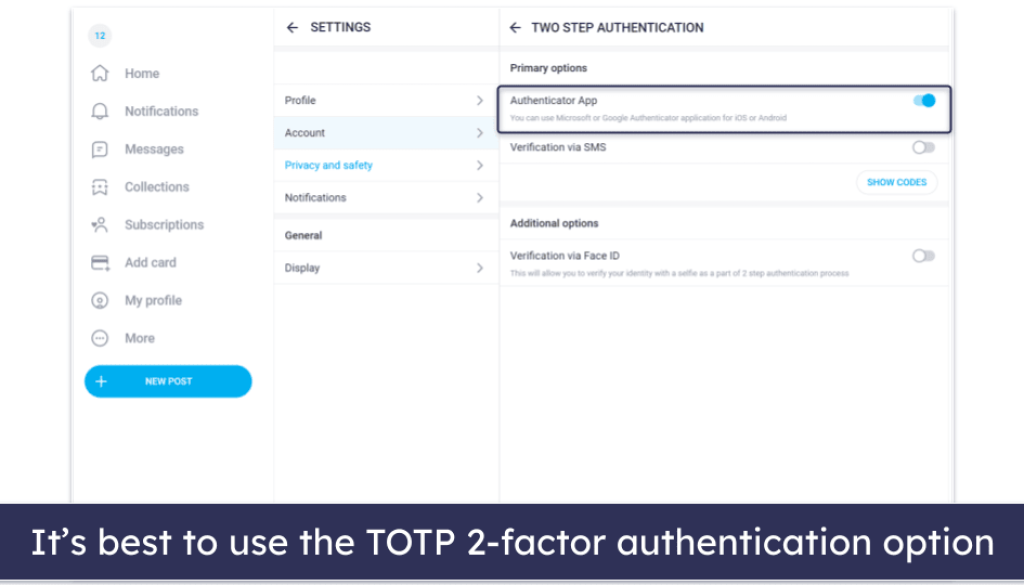
Account security deserves a mention alongside budgeting, because renewal decisions involve billing pages and stored payment methods. Turning on two-step verification and reviewing device sessions regularly reduces the risk that a billing change is someone else’s doing. Published guidance on two-factor authentication covers the principle: a second verification step makes unauthorized access to billing settings far harder.

One more practical note: the card verification hold of $0.10 is refunded within days and should not be confused with a charge. Subscribers who see it after updating a payment method sometimes assume a hidden fee appeared, which distorts their read on the actual price change.
FAQ
Do most subscribers cancel immediately after a price hike?
No. Most delay the renewal decision rather than canceling outright, because access continues until the paid period ends. Cancellations cluster at the end of the access window, after a comparison period, and a portion of those subscribers return later.
How long does it usually take for spending habits to stabilize?
Two to three billing cycles is typical. The first cycle is hesitation, the second is trimming extras like PPV and tips, and the third usually reflects a stable pattern at the new price.
Should I reduce PPV spending when a base price rises?
Many subscribers cut PPV and chat first, then restore some of it once the page’s value at the new price becomes clear.
Can I predict a second price hike from ranking card data?
Not precisely, but patterns help. Rising PPV volume, disappearing promotional pricing, and upward category movement often appear before a further increase.